China is a clear winner from Trump’s war in Middle East, report concludes
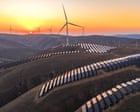
China has emerged as the primary beneficiary in Asia from the Strait of Hormuz crisis triggered by U.S. and Israeli strikes on Iran in February, according to a report by geopolitical consulting firm Asia Group. Beijing's large strategic oil reserves—enough to cover 104 days of imports—and massive renewable energy capacity, including 315 gigawatts of solar installed last year, insulated it from global energy shocks that devastated other regional economies. The crisis has also accelerated global demand for clean energy and electric vehicles, sectors where China dominates the supply chain.
The report examined economic impacts across Asia's largest economies and emerging markets, concluding China alone emerged as a clear winner while India, Japan, South Korea and Southeast Asian nations faced significant exposure. Before the strait's closure, roughly 80 percent of oil and nearly 90 percent of liquefied natural gas transiting the waterway was destined for Asian markets. China's prior investments in energy reserves and its renewable infrastructure—targeting 30 percent of energy from wind and solar by 2030—positioned it to capitalize on the geopolitical crisis and subsequent global energy transition.
The world, made simple.
Quwwaa is your AI news butler — a personalized brief and assistant for the stories you care about.
See more on Quwwaa — create a free account