Ancient teeth from Siberia reveal the oldest known plague, pushing its timeline back to about 5,500 years
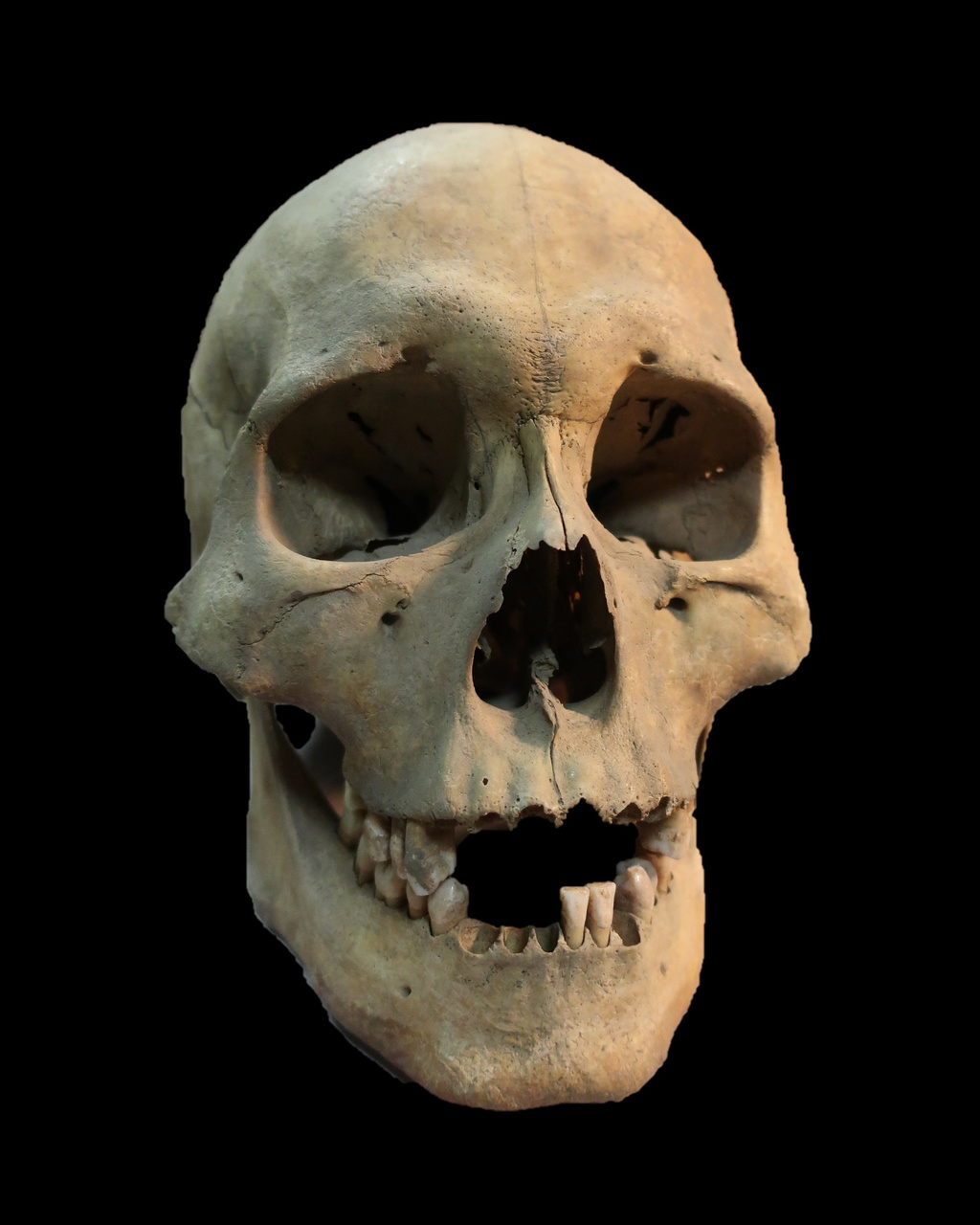
Scientists analyzing ancient teeth from cemeteries near Lake Baikal in Siberia have identified the oldest known evidence of plague, dating back approximately 5,500 years — about 200 years earlier than previously documented. Researchers found plague DNA in remains of 18 ancient hunter-gatherers and determined the disease triggered at least two outbreaks, likely spreading from marmots to humans through consumption of raw organs or contact with infected hides, then between people through respiratory transmission. The findings, published Wednesday in Nature, suggest the prehistoric plague was capable of causing both individual cases and community outbreaks, with young children disproportionately affected, and provide insights into how the bacterium evolved into the pathogen responsible for medieval Europe's Black Death.
The world, made simple.
Quwwaa is your AI news butler — a personalized brief and assistant for the stories you care about.
See more on Quwwaa — create a free account